Sheffield’s property market is shaped by a rich mix of architectural styles, each closely tied to the character of its neighbourhoods. From grand Victorian homes near green spaces to modern apartments in regenerated districts, the city offers a diverse range of housing that continues to attract buyers, sellers and investors alike.
Understanding Sheffield’s architectural heritage can help homeowners maximise value and assist buyers in choosing the right area to suit their taste.
Victorian and Edwardian Houses in Sheffield
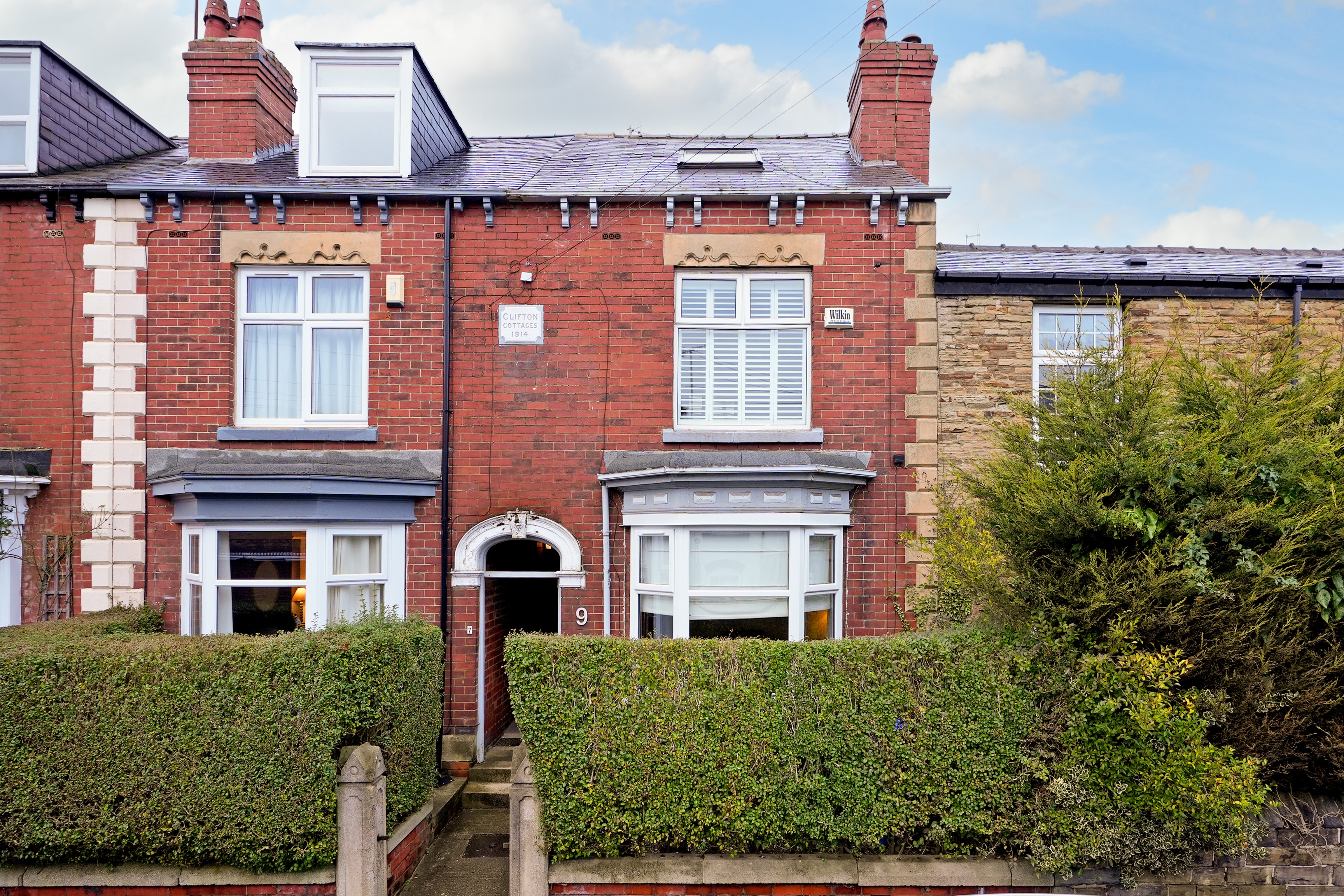
Victorian and Edwardian homes remain some of the most sought-after properties in Sheffield. Commonly found in Nether Edge, Ranmoor, Broomhill and Ecclesall, these homes are known for high ceilings, bay windows, original fireplaces and spacious layouts.
Streets such as Rustlings Road, Endcliffe Vale Road and Clarkehouse Road are prime examples, often benefitting from proximity to parks and strong long-term property demand. These period properties continue to perform well in Sheffield’s housing market due to their character and build quality.
1930s Semi-Detached Properties in Sheffield
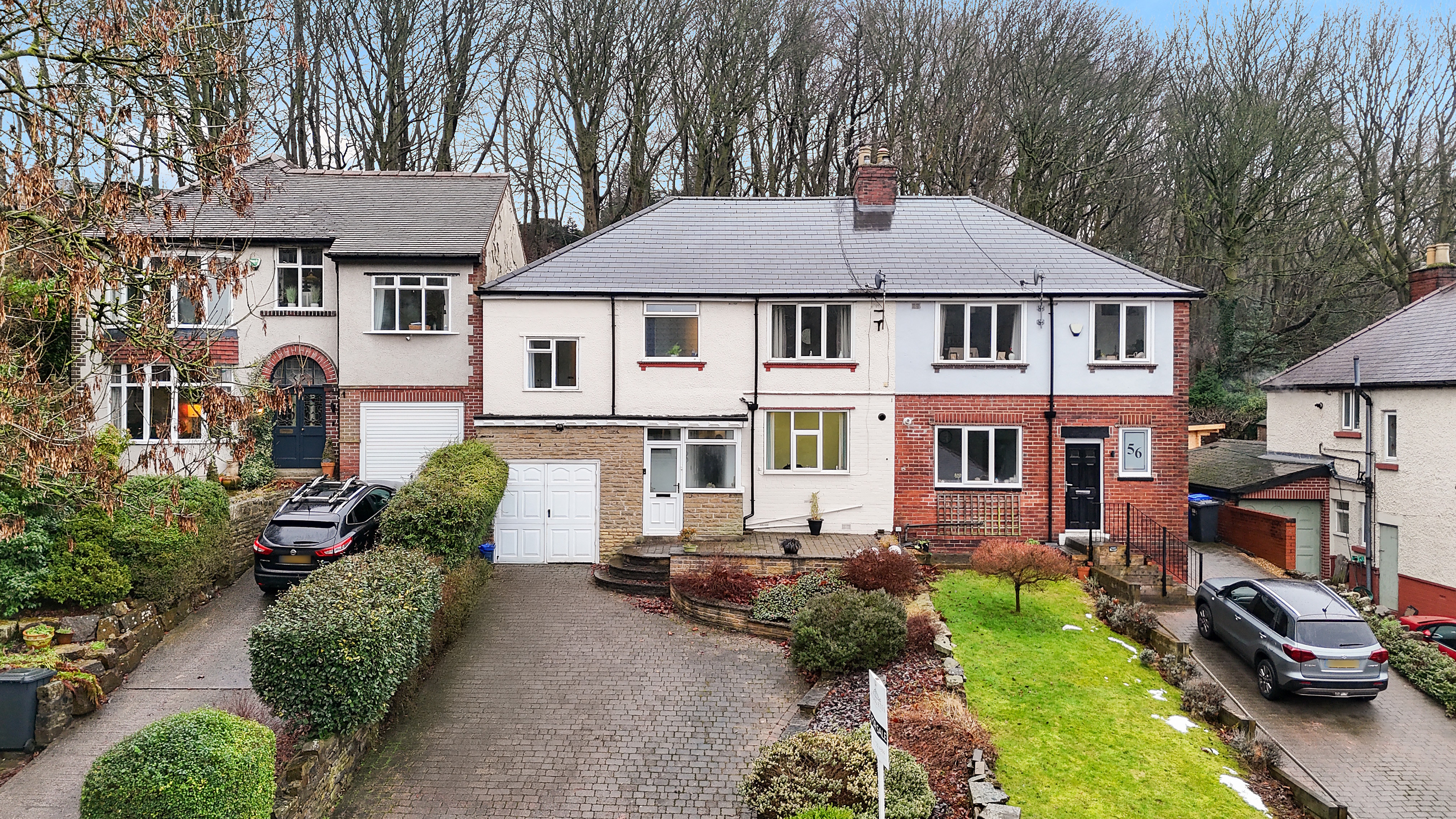
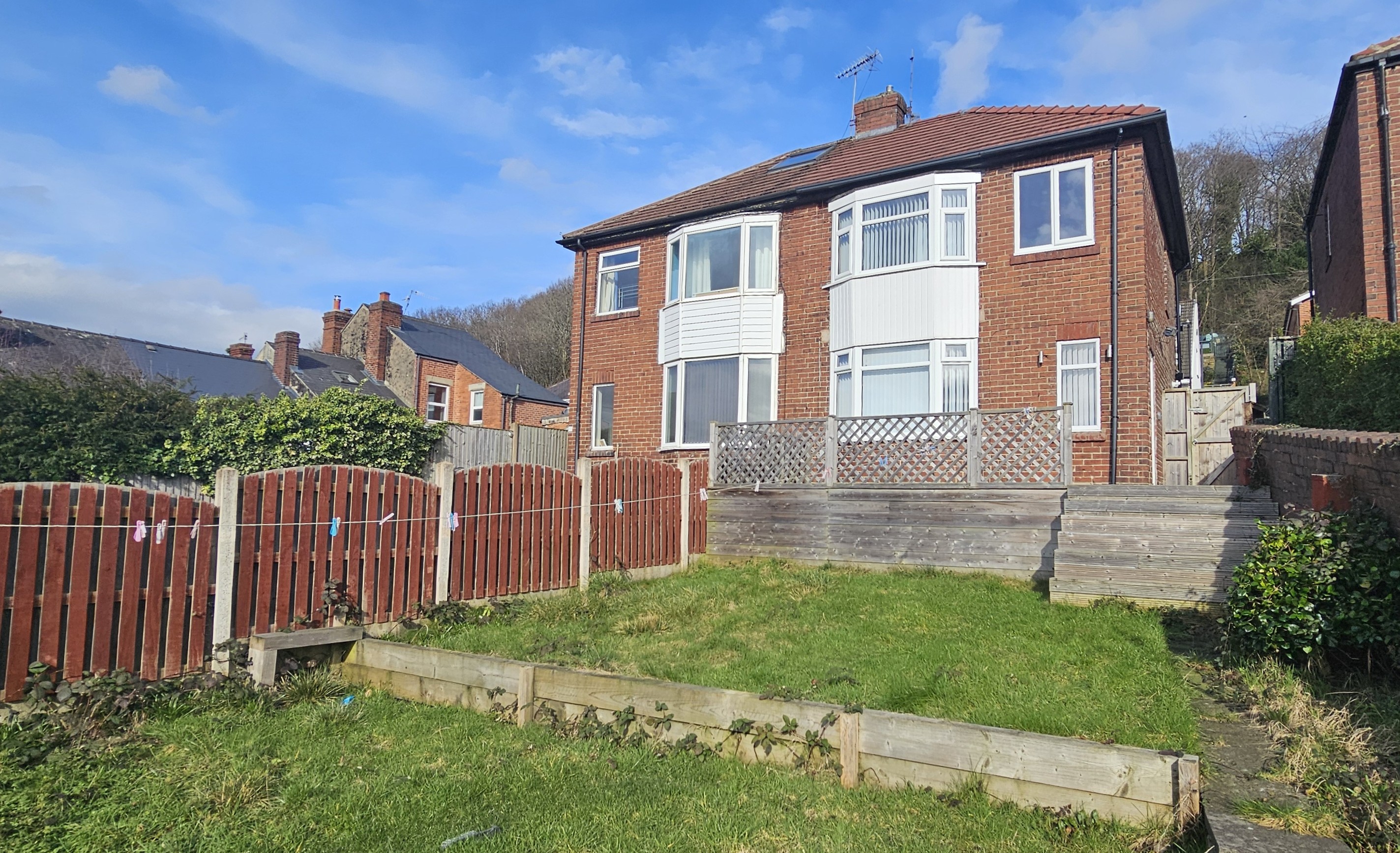
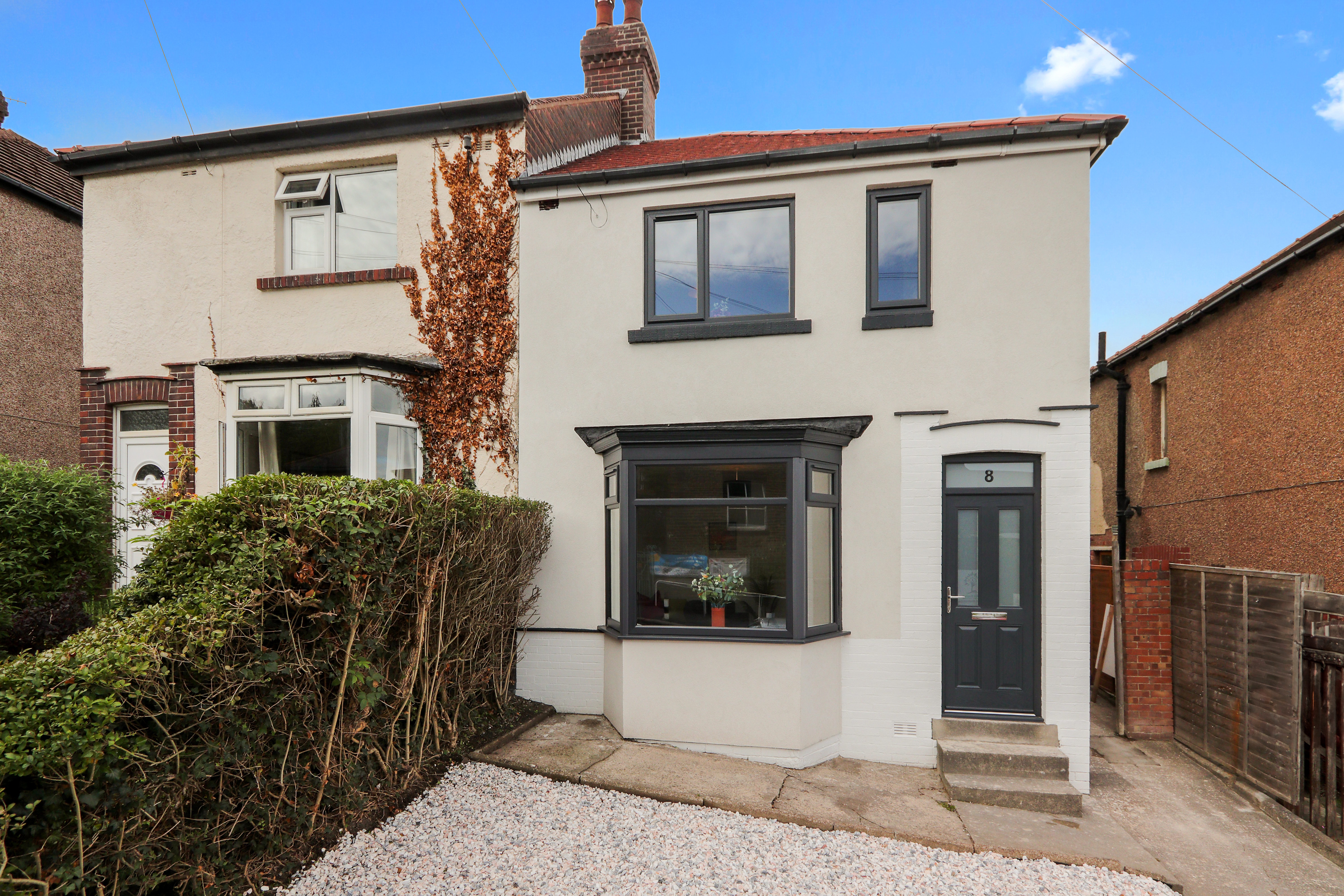
1930s semi-detached houses form a significant part of Sheffield’s suburban housing stock. Areas including Millhouses, Norton, Greenhill and Fulwood are particularly associated with this style.
Recognisable by bay fronts, hipped roofs and generous rear gardens, these homes appeal to families seeking practical layouts and access to schools, parks and transport routes. Roads such as Abbeydale Park Rise, Hutcliffe Road and Lemont Road remain consistently popular with buyers.
Stone-Built Homes and Village Properties on the Edge of Sheffield
In suburbs such as Dore, Totley, Whirlow and Fulwood, stone-built houses and cottages reflect Sheffield’s historical connection to the Peak District. Many of these properties pre-date the city’s expansion and retain distinctive architectural features, including thick stone walls and traditional detailing.
Locations such as Totley Brook Road and Whirlowdale Road offer a village feel while remaining well connected to Sheffield city centre, making them attractive to buyers seeking character and semi-rural living.
Post-War and Mid-Century Housing in Sheffield Neighbourhoods
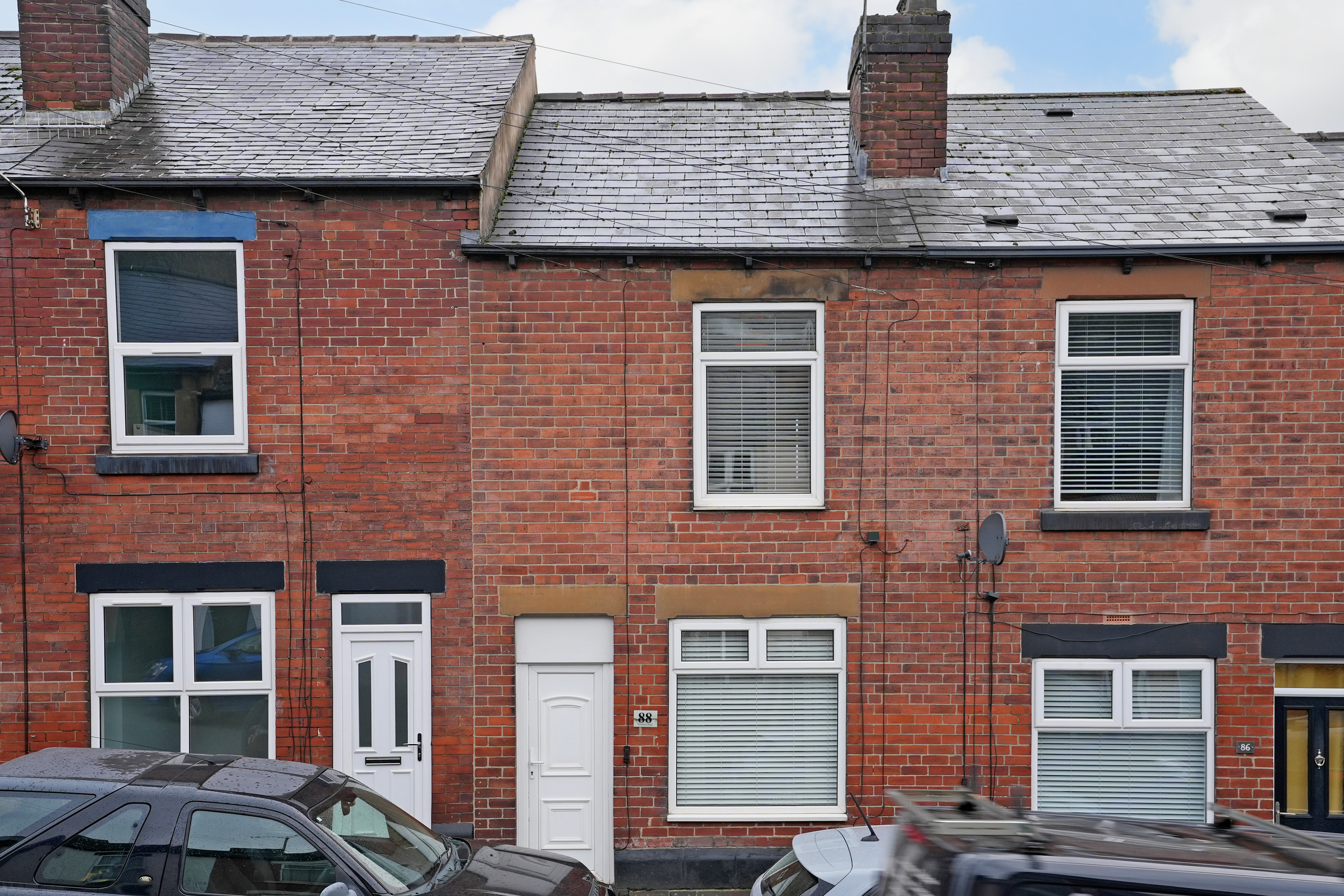
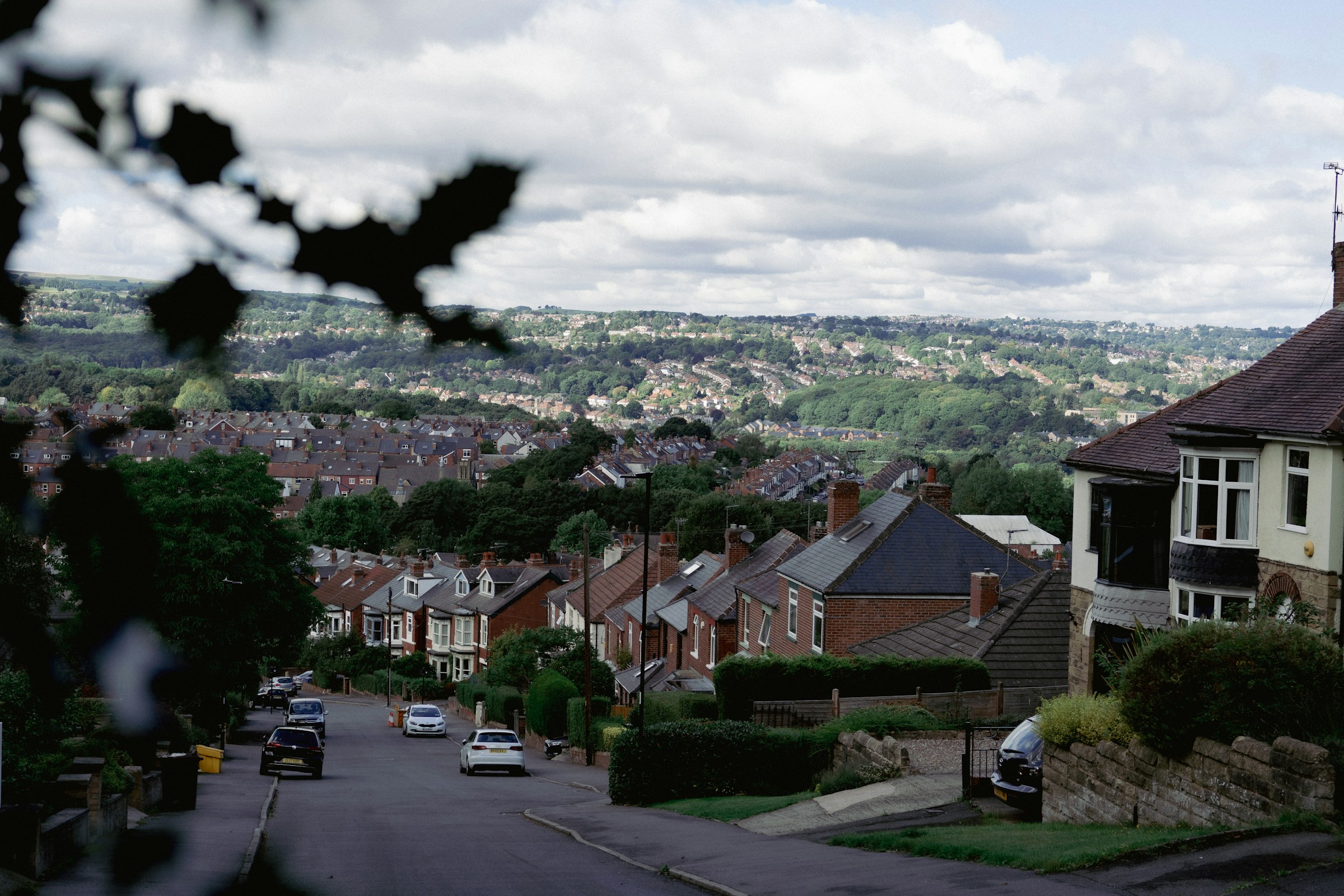
Post-war housing is prevalent in areas like Crookes, Walkley and Heeley, where elevated positions often provide city views. These homes were designed with simplicity and function in mind and have become popular with first-time buyers and investors.
Many properties in these areas offer scope for renovation and extension, which continues to drive interest in these established Sheffield neighbourhoods.
Modern Apartments and New Developments in Sheffield City Centre
Contemporary housing in Sheffield is most visible in Kelham Island, Neepsend and the Wicker, where former industrial buildings have been transformed into modern apartments. Exposed brickwork, steel features and open-plan layouts reference Sheffield’s industrial past while meeting modern living expectations.
These areas are particularly attractive to professionals seeking city centre property close to independent bars, restaurants and transport links.
How Architectural Style Impacts Sheffield Property Value
Architectural style plays a key role in shaping property values in Sheffield. Period homes near parks, village properties on the city edge and modern apartments in regenerated areas all attract different buyers but consistently benefit from strong location appeal.
At Highgates Sales & Lettings, we regularly advise clients on how architectural character, neighbourhood demand and lifestyle factors combine to influence value. Whether buying or selling, understanding Sheffield’s architectural landscape is an important step in making informed property decisions.